✨ Welcome to our new update!
Software Pack Update Internet Explorer -
Secure, scalable, and game-changing authentication for your applications. Get started in minutes with our powerful APIs and SDKs.
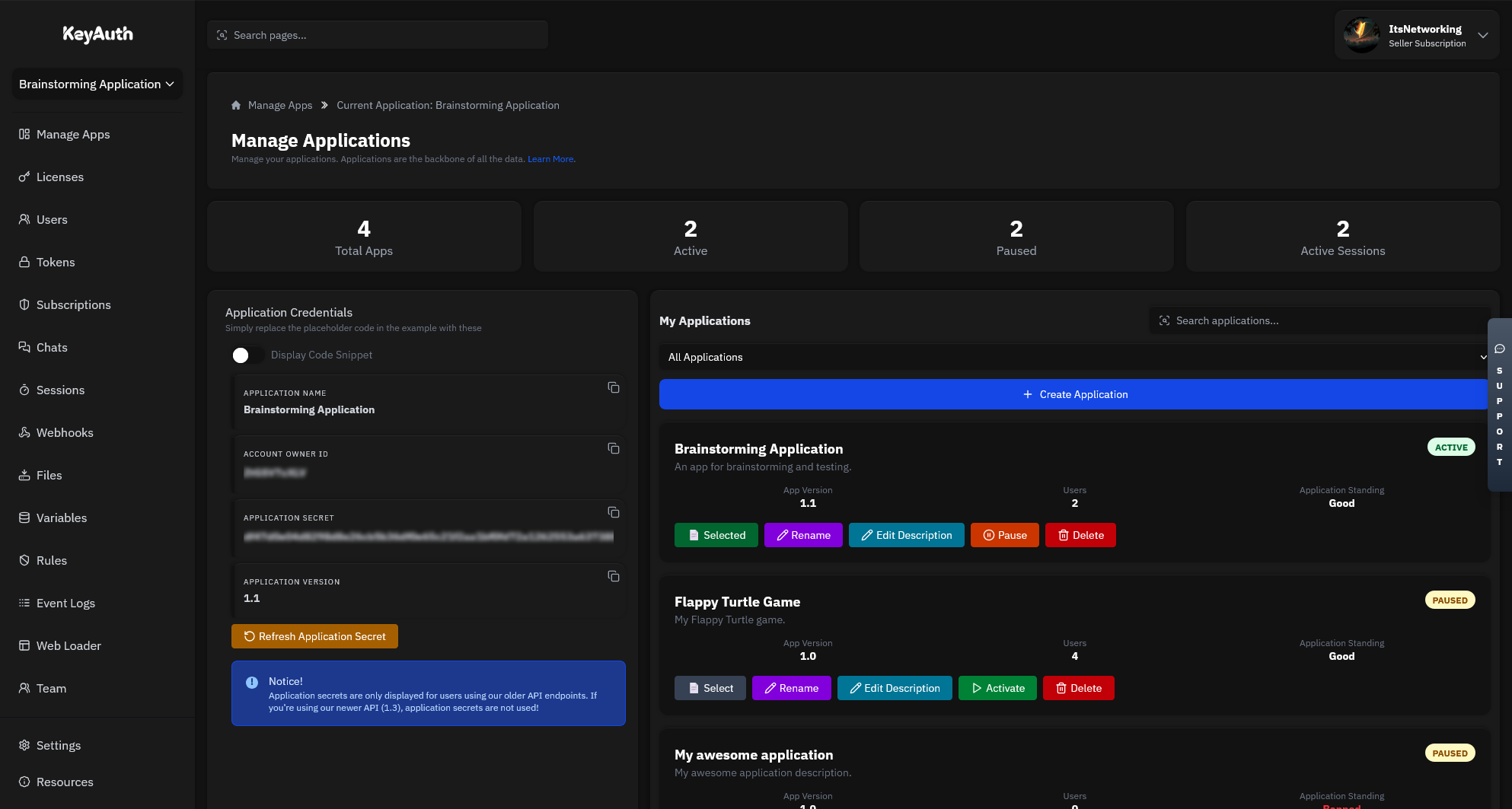
Secure, scalable, and game-changing authentication for your applications. Get started in minutes with our powerful APIs and SDKs.
Integrate into any programming language

A comprehensive suite of integrated tools for authentication, monetization, and user engagement.
Create and manage user licenses with flexible expiration, trial, and subscription options.
Our lightning-fast infrastructure ensures your authentication requests are processed in under 50ms globally. With 99.99% uptime and redundant systems, your users will never experience delays.
Manage your applications remotely with our powerful Seller API. Update licenses, ban users, modify subscriptions, and monitor usage from anywhere in the world with full administrative control.
Built on a serverless architecture that automatically scales to handle millions of requests. Our global edge network ensures low latency and high availability across 300+ locations worldwide.
There's no question as to why we are the best choice for your business and one of the most used Authentication services.
Head over to our register page to create your account.
Applications will be the heart of your service. This is where all your users, licenses, chats and more will be stored.
Head over to our GitHub to find our examples and client API files. Simply follow the steps and have authentication up in less than 5 minutes.
Control your application from anywhere using our mobile app. Manage licenses, chat with users, and view analytics directly from your phone or tablet.
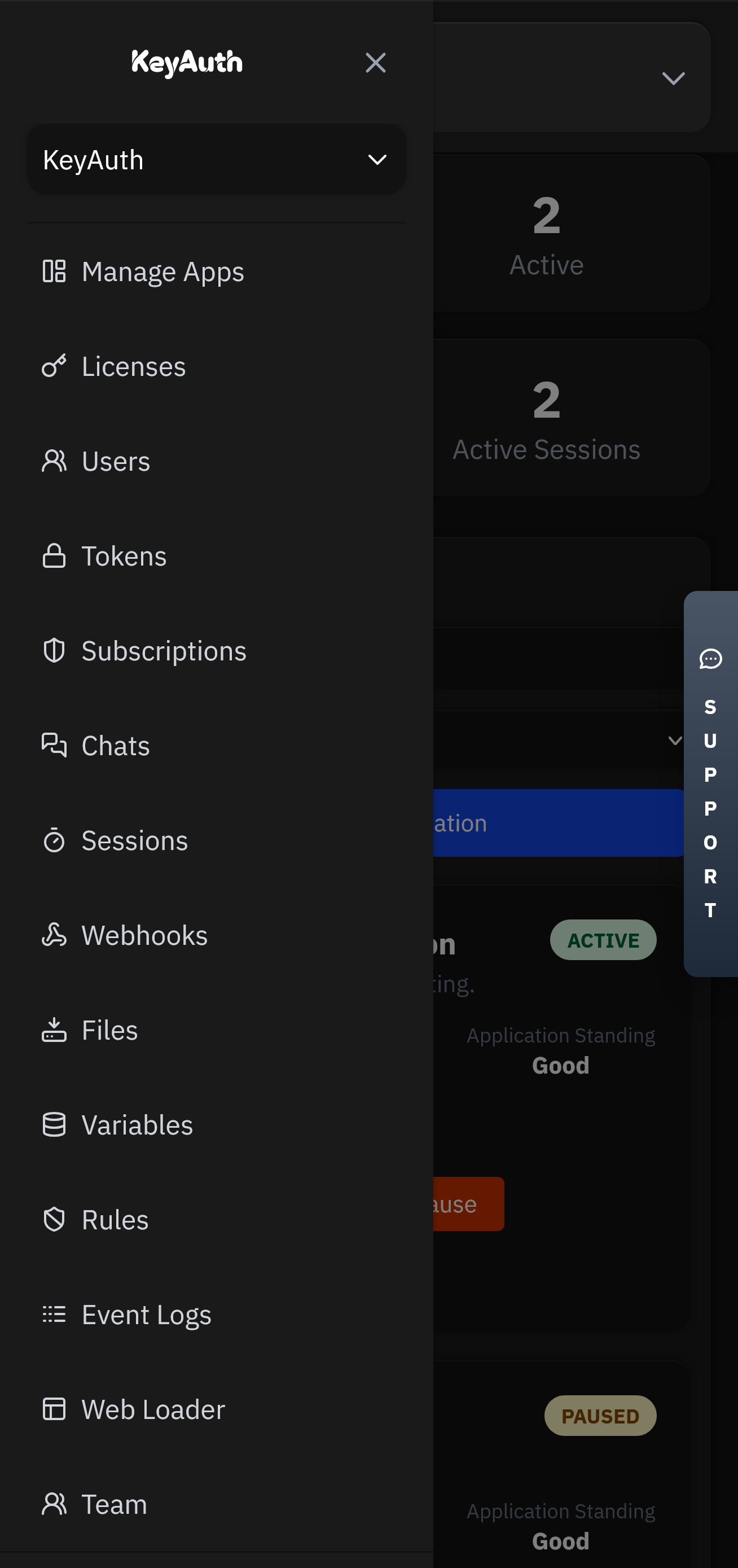
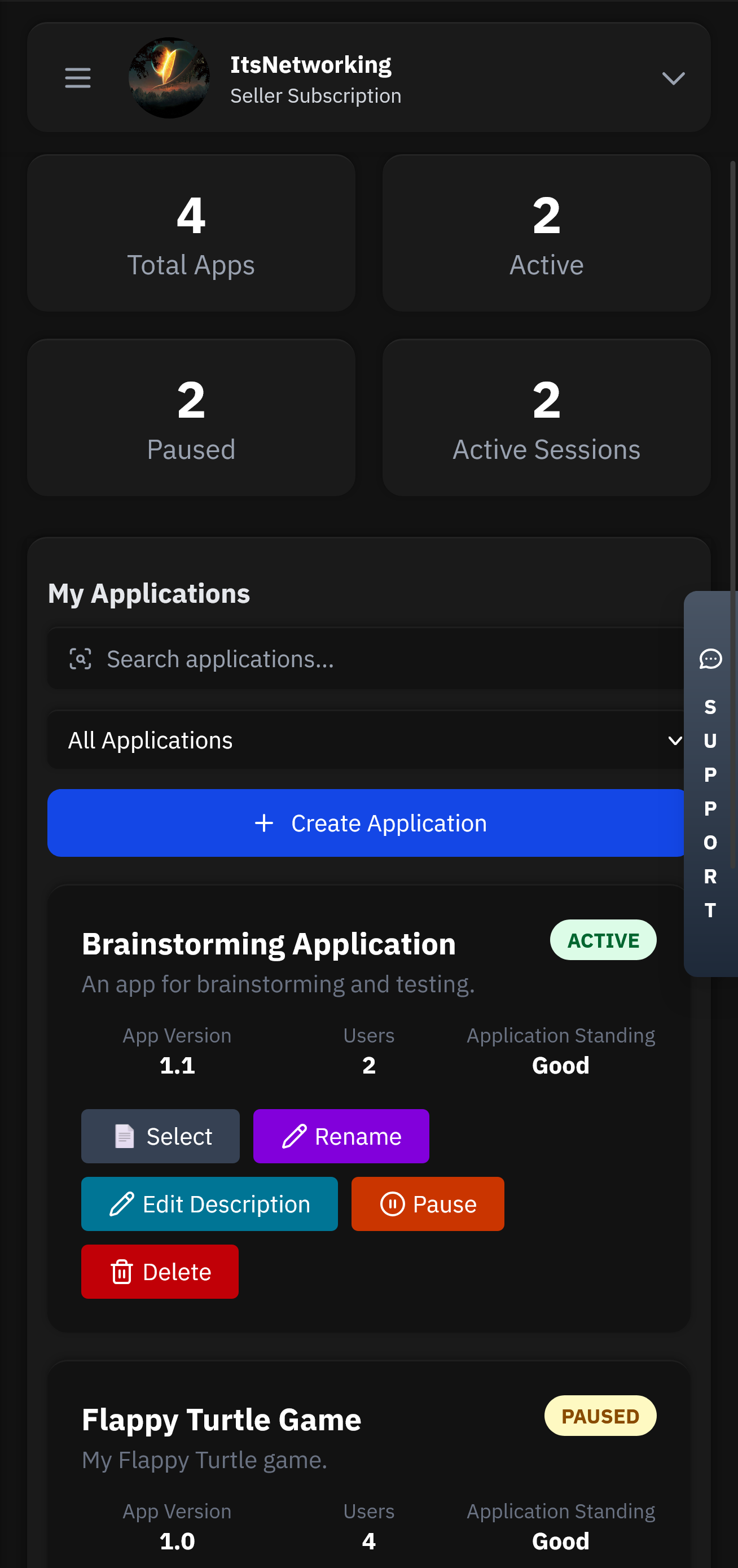
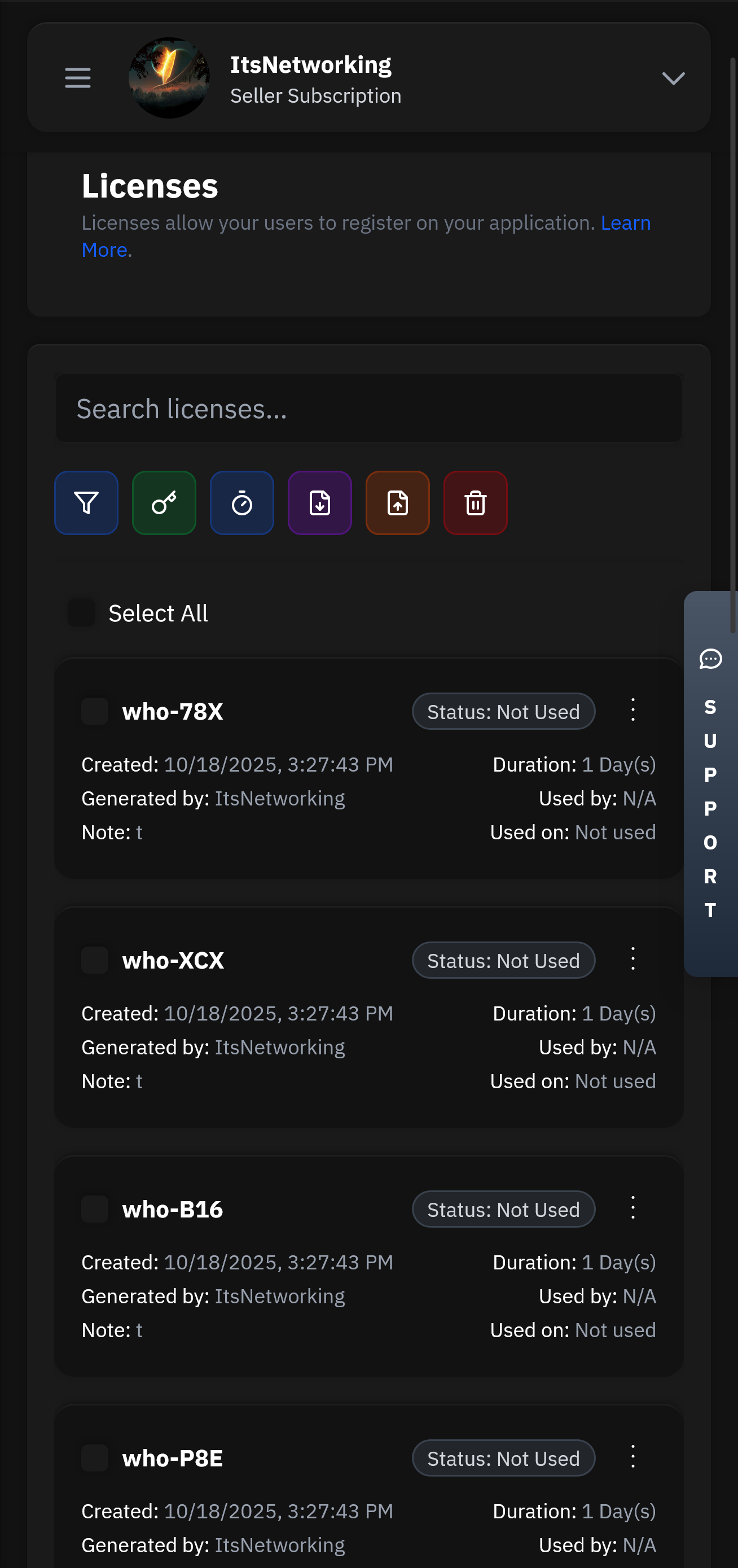
Flexible options for teams of all sizes.
For over two decades, Internet Explorer (IE) was the primary gateway to the World Wide Web. However, the digital landscape has shifted toward faster, more secure, and highly compatible environments. Microsoft officially retired Internet Explorer 11 on June 15, 2022, marking the end of its lifecycle. Today, any prompt or "Software Pack Update" claiming to upgrade IE is often a security risk or a misunderstanding of how modern Windows systems handle legacy web content. The Risk of Legacy Software
The search for an Internet Explorer update is a pursuit of a tool that no longer fits the modern world. Users are encouraged to embrace Microsoft Edge or other contemporary browsers to ensure their personal data remains protected and their browsing experience remains fluid. The legacy of Internet Explorer lives on in the foundations of the web, but the path forward is paved with more robust, secure, and innovative technologies.
Microsoft’s solution to the IE transition was not an update to the old software, but the creation of a new one: . Built on the Chromium engine, Edge offers the speed and security of modern competitors like Google Chrome while maintaining a unique feature called "IE Mode." This feature allows businesses and individuals who rely on older, IE-specific applications to run them within the Edge browser, effectively bridging the gap between the past and the future without needing a separate "software pack." Conclusion
The following essay explores the transition from Internet Explorer to modern web standards and why seeking "software packs" for the legacy browser is no longer a viable path for users. The Sunset of an Era: Moving Beyond Internet Explorer
Maintaining a "software pack" for an outdated browser is a significant security hazard. Modern web threats—such as sophisticated malware and phishing schemes—evolve daily. Because Internet Explorer no longer receives security patches, using it exposes systems to vulnerabilities that modern browsers have long since mitigated. Furthermore, the lack of support for modern web languages like HTML5 and CSS3 means that most contemporary websites will not render correctly, if at all, in an IE environment. The Rise of Microsoft Edge and IE Mode
There is no official "Software Pack Update" for Internet Explorer because the browser has been by Microsoft for most operating systems.

Got questions? We've got answers. If you can't find what you're looking for, feel free to reach out to our support team.