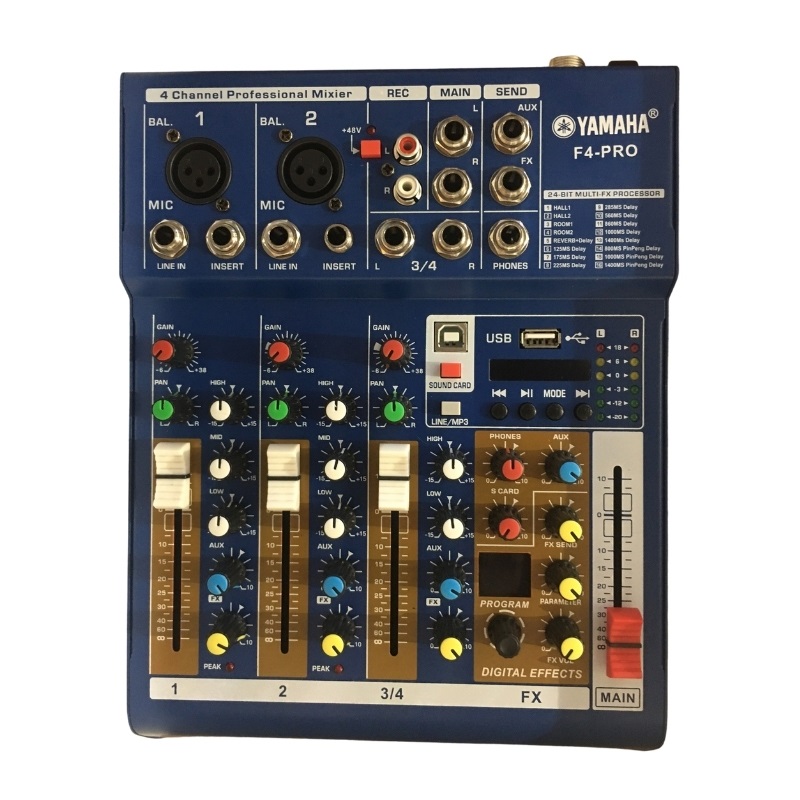
Bàn Mixer F4 Pro
950000
Acoustic research shows that screams possess a unique acoustic quality called "roughness." This rapid modulation in volume bypasses the normal brain centers for processing speech and goes directly to the amygdala—the brain's ancient fear and threat center.
In our ancestral past, a scream served to startle predators, alert kin to immediate danger, and recruit help. It is the body's ultimate, unignorable alarm system.
Conversely, a mature scream is a highly conscious, deliberate act of somatic processing. It is the adult realizing that cognitive processing has reached its limit and the physical body needs to expel trapped energy. How to Stop Screaming and Start Parenting Effectively
The difference between an immature scream and a mature scream lies entirely in . 1. The Dysregulated (Immature) Scream
🎭 The Spectrum of Maturity: From Tantrum to Transcendence
While society often dismisses screaming as a childish tantrum or a loss of control, emerging psychological perspectives and therapeutic practices suggest that intentional, conscious vocalization is actually a sign of advanced emotional maturity. 🧠 The Evolutionary Anchor: Why We Scream
Often directed at others as a weapon to control, intimidate, or project internal pain.
It mimics the helpless rage of a toddler who has not yet developed language to express complex needs. 2. The Regulated (Mature) Scream
Acoustic research shows that screams possess a unique acoustic quality called "roughness." This rapid modulation in volume bypasses the normal brain centers for processing speech and goes directly to the amygdala—the brain's ancient fear and threat center.
In our ancestral past, a scream served to startle predators, alert kin to immediate danger, and recruit help. It is the body's ultimate, unignorable alarm system.
Conversely, a mature scream is a highly conscious, deliberate act of somatic processing. It is the adult realizing that cognitive processing has reached its limit and the physical body needs to expel trapped energy. How to Stop Screaming and Start Parenting Effectively
The difference between an immature scream and a mature scream lies entirely in . 1. The Dysregulated (Immature) Scream
🎭 The Spectrum of Maturity: From Tantrum to Transcendence
While society often dismisses screaming as a childish tantrum or a loss of control, emerging psychological perspectives and therapeutic practices suggest that intentional, conscious vocalization is actually a sign of advanced emotional maturity. 🧠 The Evolutionary Anchor: Why We Scream
Often directed at others as a weapon to control, intimidate, or project internal pain.
It mimics the helpless rage of a toddler who has not yet developed language to express complex needs. 2. The Regulated (Mature) Scream
HỆ THỐNG CỬA HÀNG
Cơ sở 2
Giờ làm việc: Vui lòng gọi điện trước khi đến.
Xem bản đồCơ sở 3
Giờ làm việc: Vui lòng gọi điện trước khi đến.
Xem bản đồCơ sở 4
Giờ làm việc: Vui lòng gọi điện trước khi đến.
Xem bản đồThông tin
Chính sách chung
Hỗ trợ khách hàng
Phương thức thanh toán
Kết nối với chúng tôi