Tas Belanja Anda
Tidak ada item di tas belanja Anda.
Because there was no time to print sheet music, Alexandrov reportedly wrote the notes on a blackboard for the choir to copy manually.
The song’s origin is as dramatic as its sound. Following the German invasion of the Soviet Union in June 1941, the creation of an anthem to rally the people was urgent.
YouTube·Leonid Kharitonov (Леонид Харитонов)
Performers describe the raw power of the choir's "screaming" chords, designed to evoke the terror and bravery of the era.
On June 26, 1941, the ensemble performed it for the first time at Moscow’s Belorussky Railway Station for soldiers heading to the front. Eyewitnesses say they were asked to perform it five times in a row. The Sound of "Noble Fury"
While it is a staple of Victory Day parades in Russia, the song has been adapted into several languages, including German ( Der Heilige Krieg ) and Hungarian. The Legacy of the Alexandrovci "The Sacred War" - The Alexandrov Red Army Choir (1942)
Because there was no time to print sheet music, Alexandrov reportedly wrote the notes on a blackboard for the choir to copy manually.
The song’s origin is as dramatic as its sound. Following the German invasion of the Soviet Union in June 1941, the creation of an anthem to rally the people was urgent.
YouTube·Leonid Kharitonov (Леонид Харитонов)
Performers describe the raw power of the choir's "screaming" chords, designed to evoke the terror and bravery of the era.
On June 26, 1941, the ensemble performed it for the first time at Moscow’s Belorussky Railway Station for soldiers heading to the front. Eyewitnesses say they were asked to perform it five times in a row. The Sound of "Noble Fury"
While it is a staple of Victory Day parades in Russia, the song has been adapted into several languages, including German ( Der Heilige Krieg ) and Hungarian. The Legacy of the Alexandrovci "The Sacred War" - The Alexandrov Red Army Choir (1942)










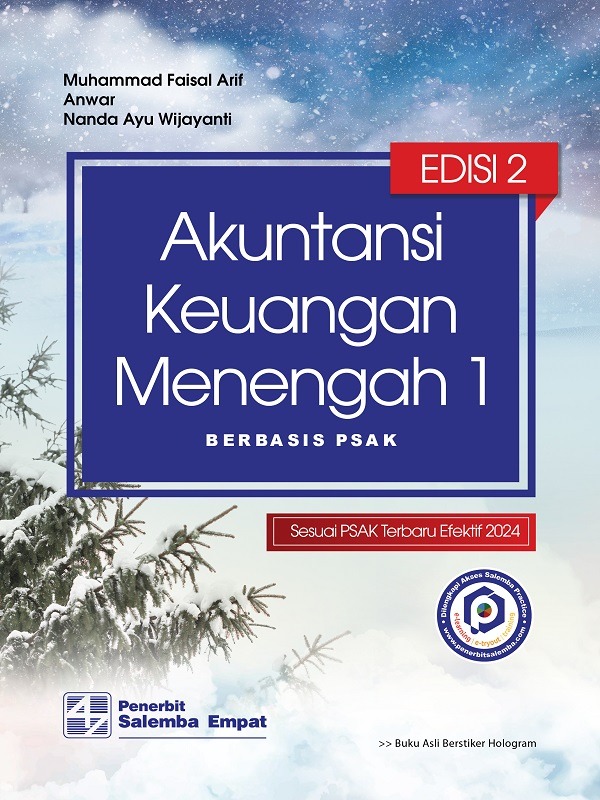
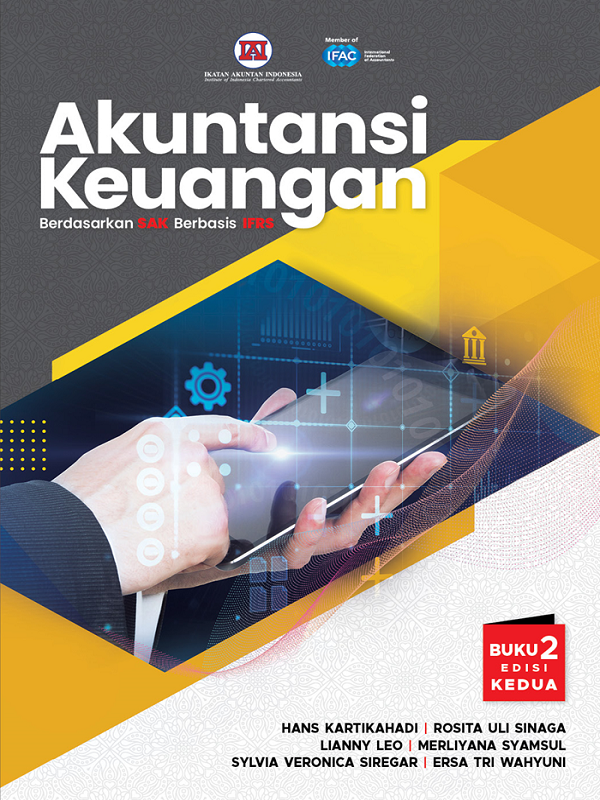
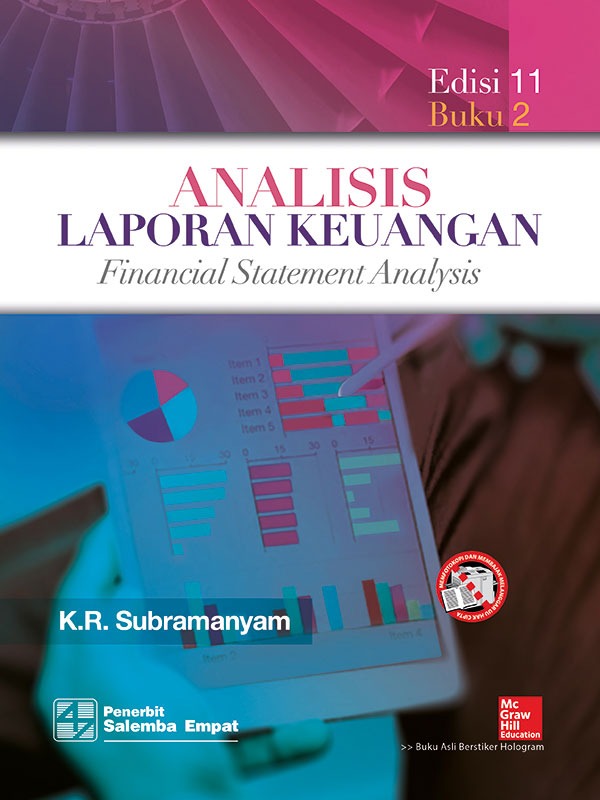
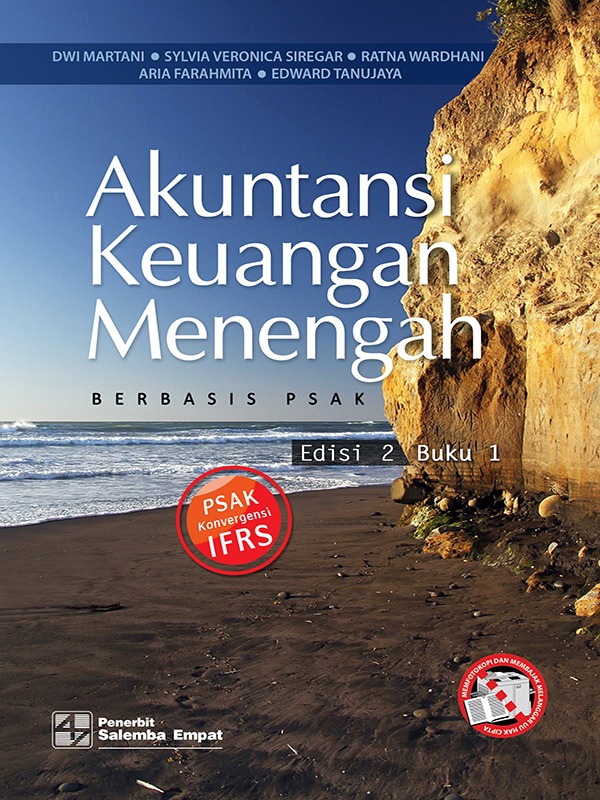
![Akuntansi Keuangan Menengah [Intermediate Acc Vol. 1]-IFRS/Kieso,at al](https://leksikabookstore.com/uploads/01-0378F.jpg)
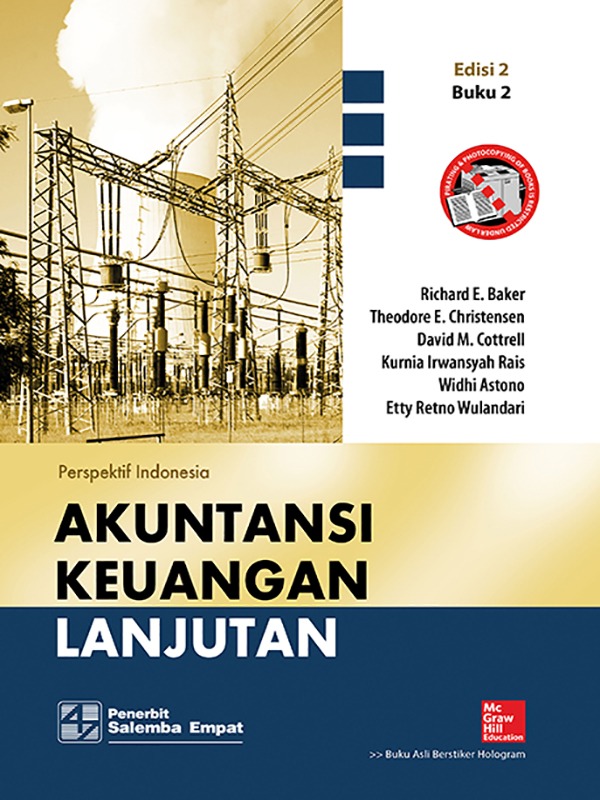
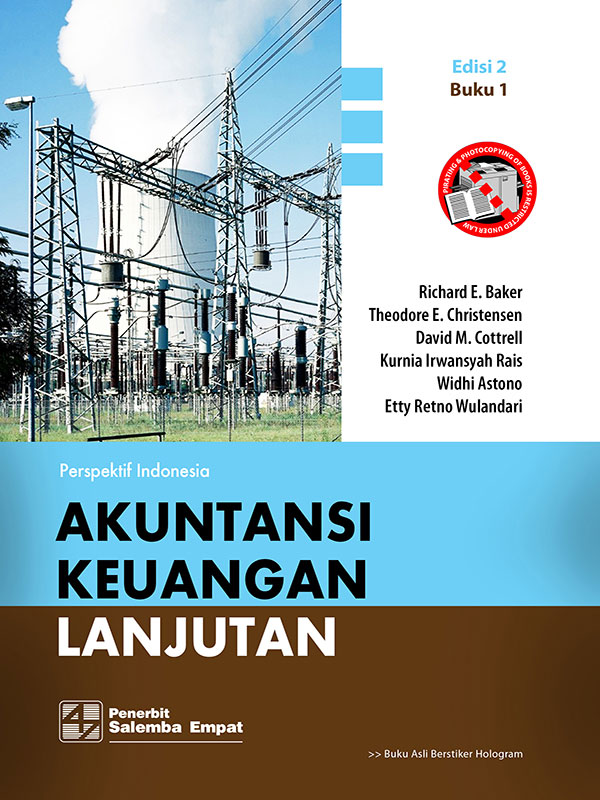
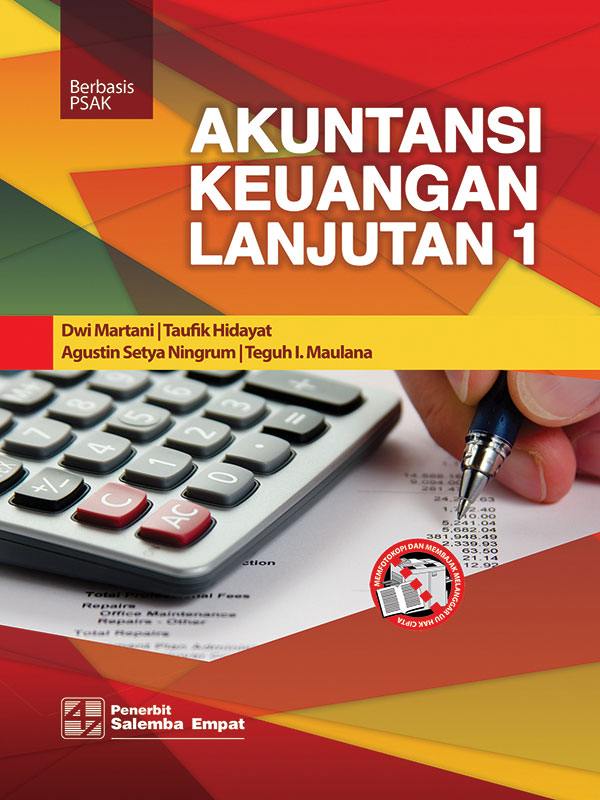
![Akuntansi Keuangan Menengah[Intermediate Acc Vol. 2]-IFRS/Kieso, at al](https://leksikabookstore.com/uploads/01-0392F.jpg)