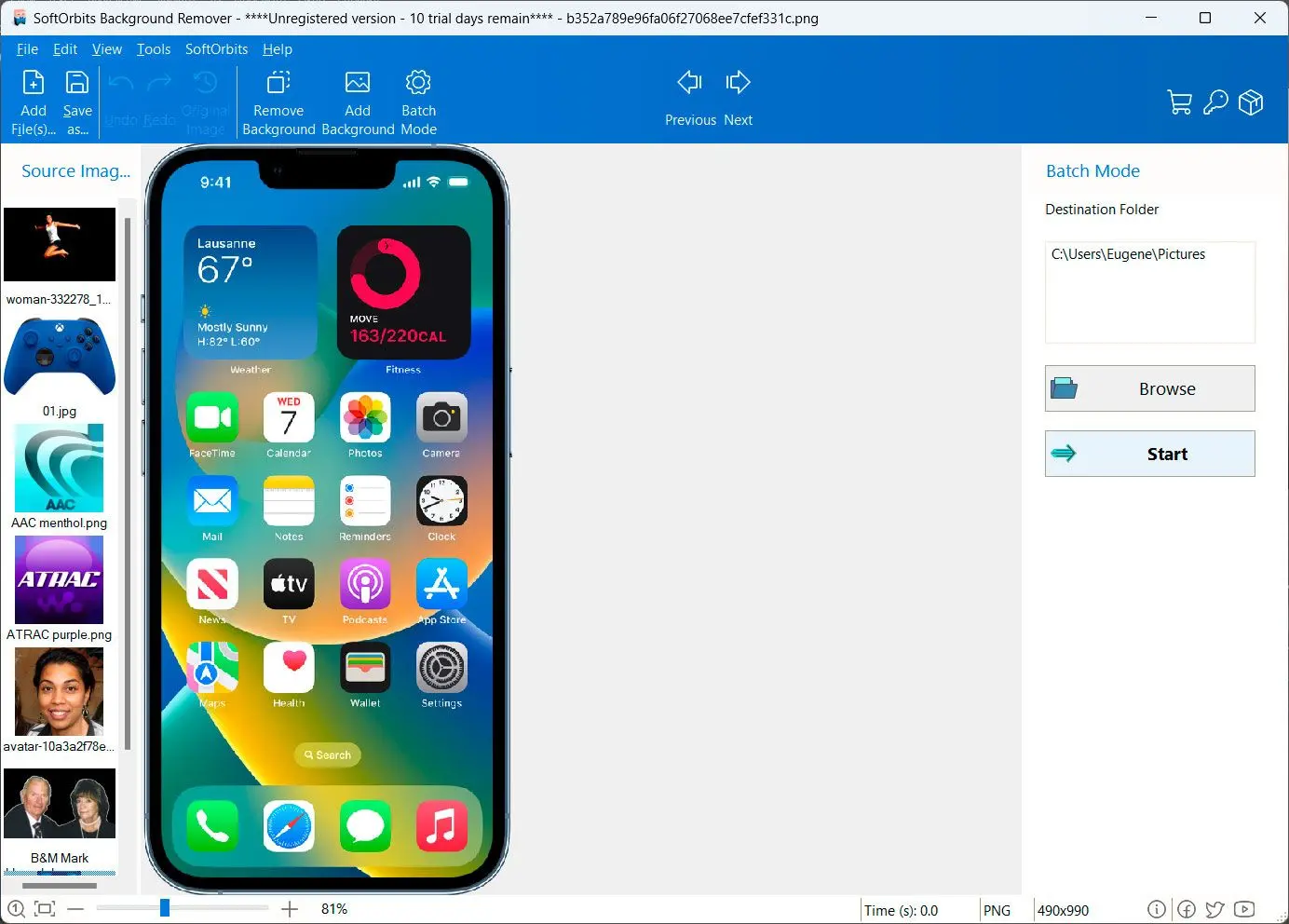
Unleash the power of AI-driven background removal. Experience effortless precision and stunning results. Perfect for designers, photographers, and content creators alike.
Learn how to easily remove unwanted backgrounds from your images using SoftOrbits' Background Eraser Download.


Download and Install
Download the software from the official SoftOrbits website and follow the on-screen instructions to install it on your PC.

Import Your Image
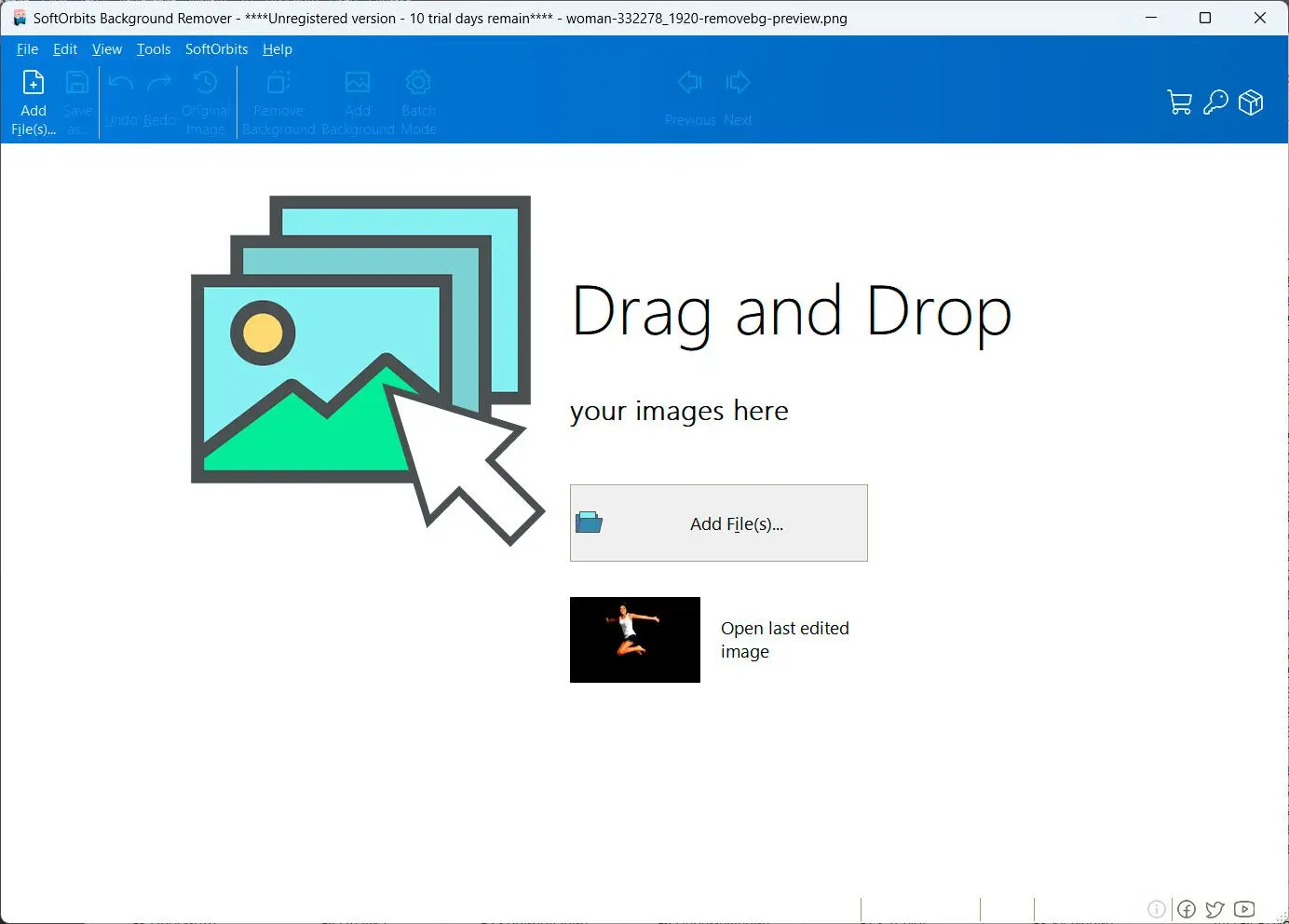
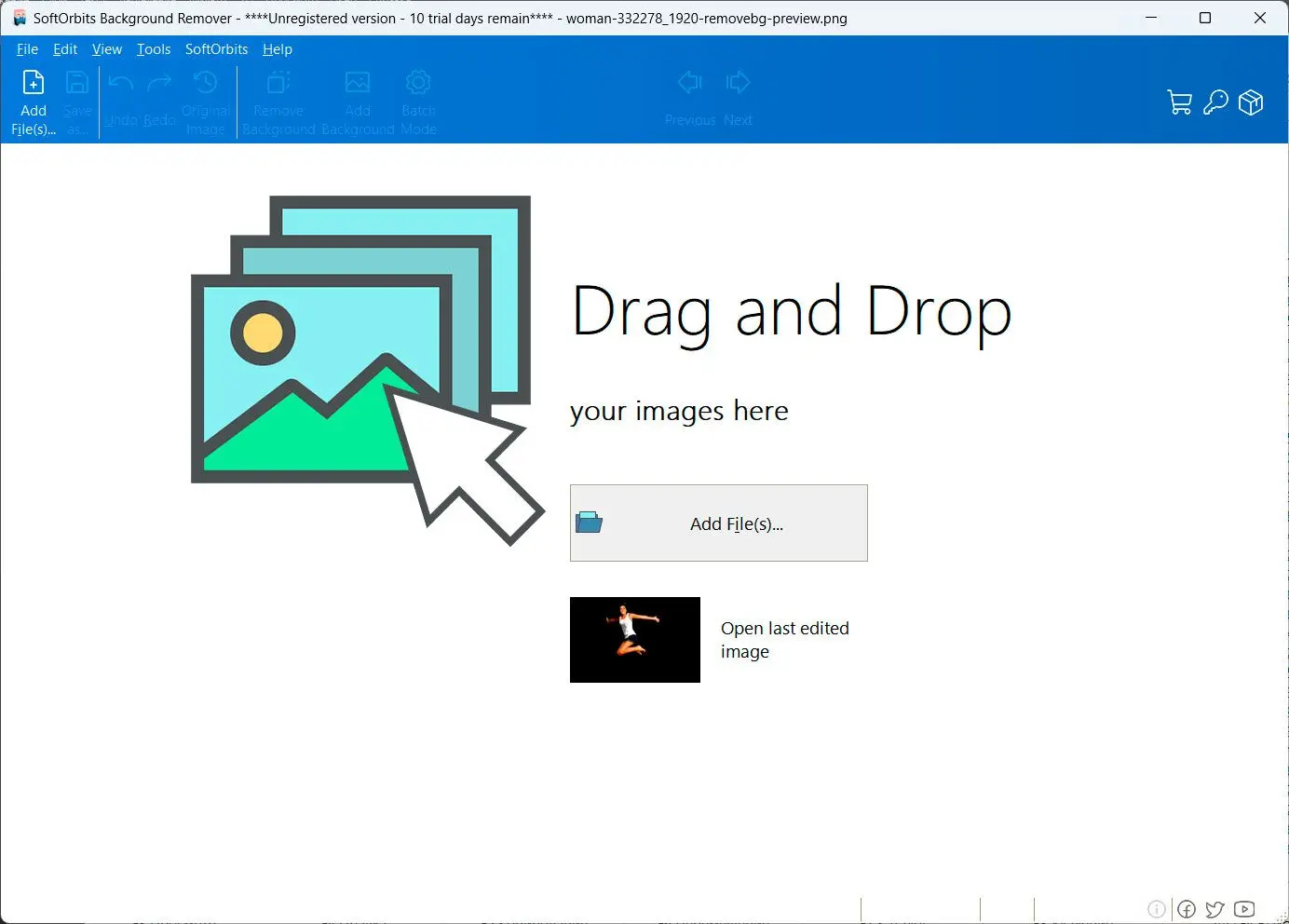
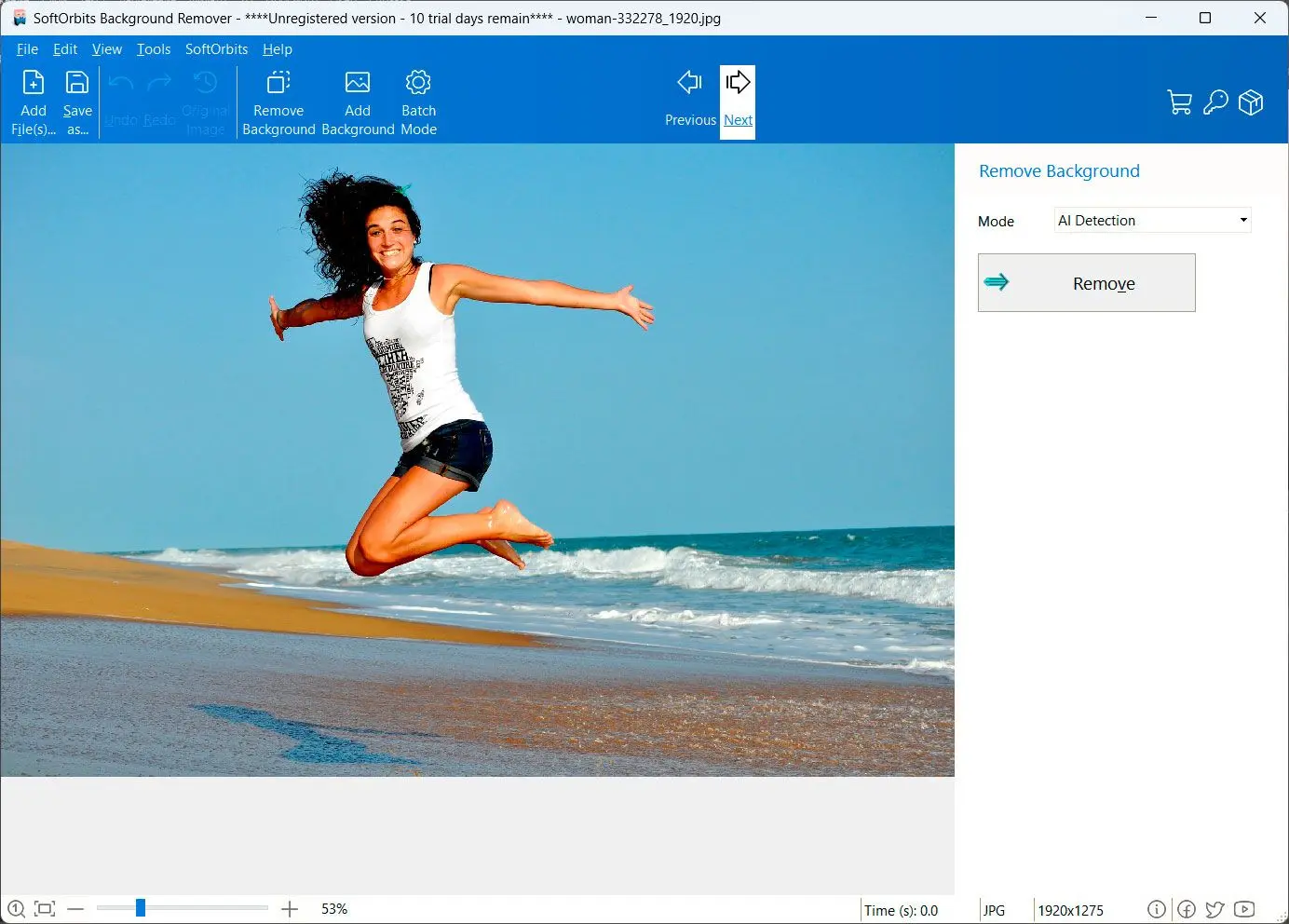
Open the software and import the image you want to edit by clicking the Open Image button or dragging and dropping the image onto the interface.

Remove the Background
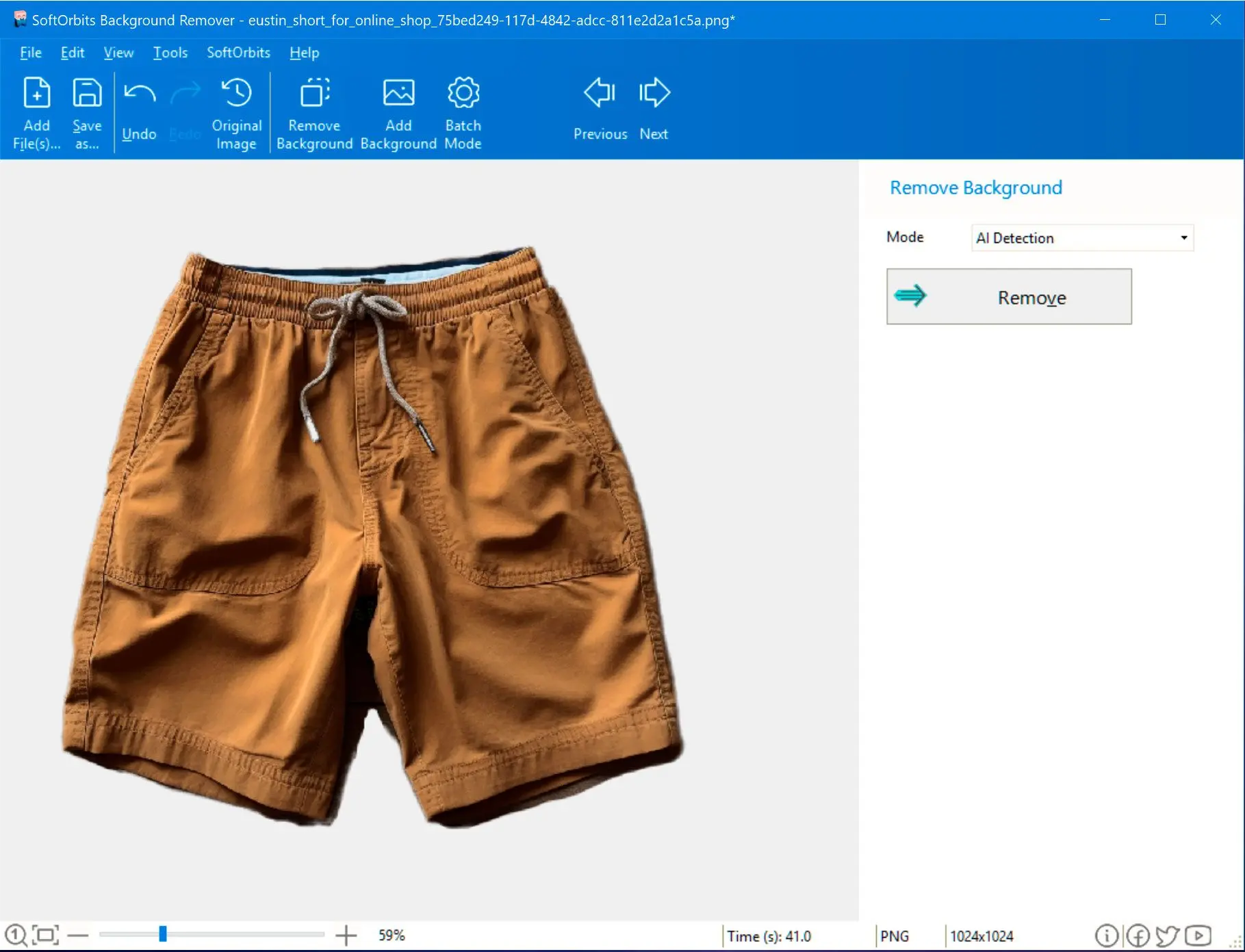
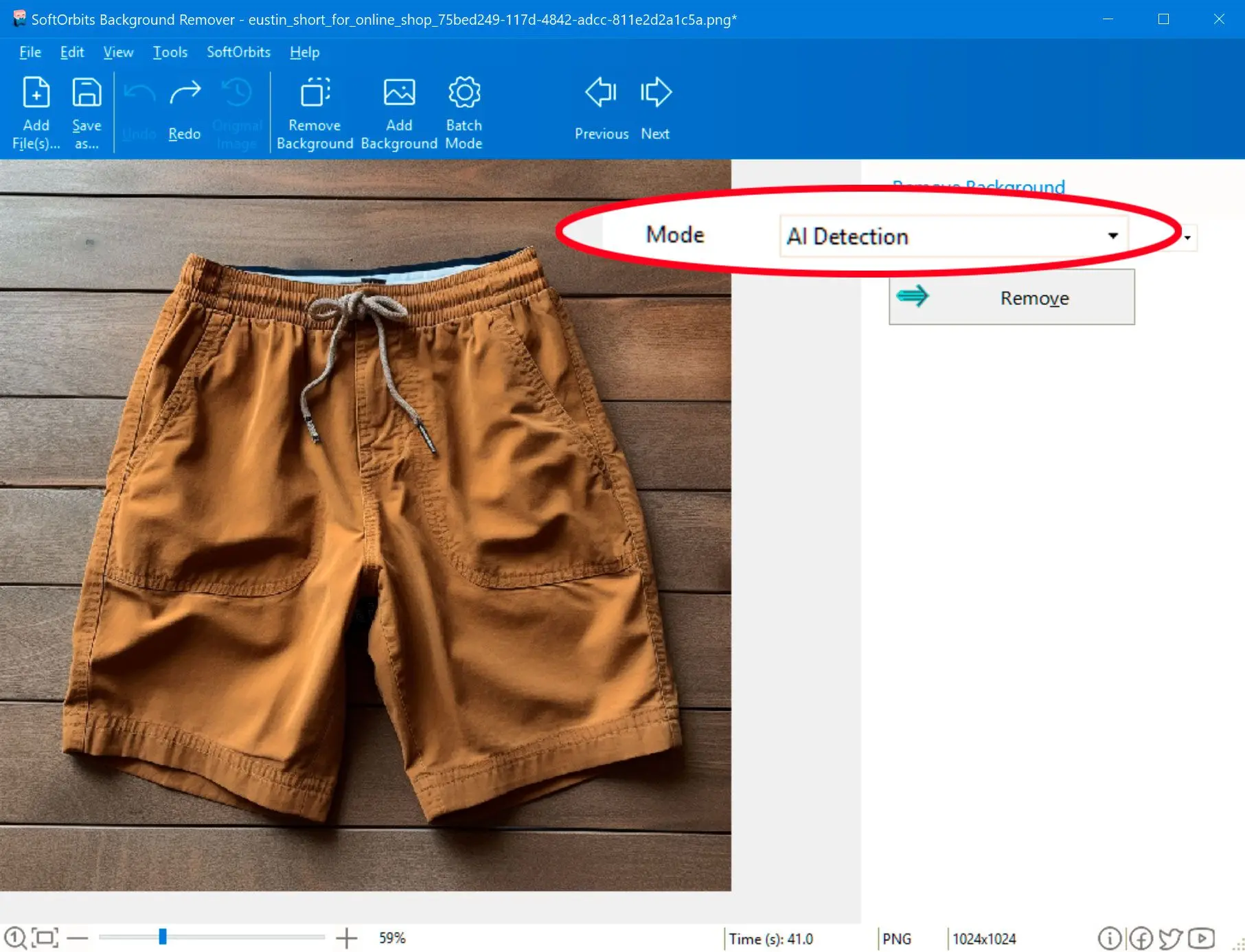
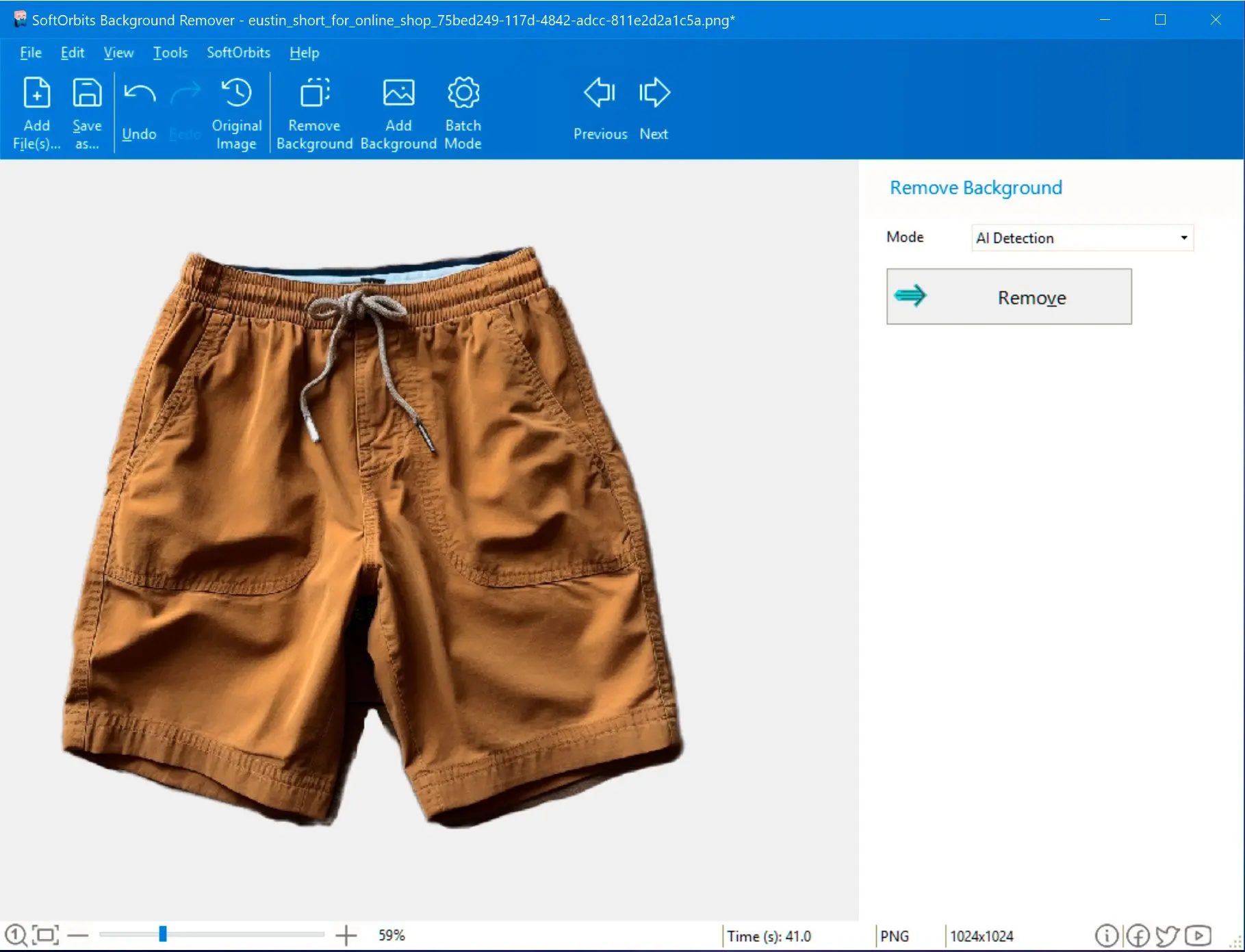
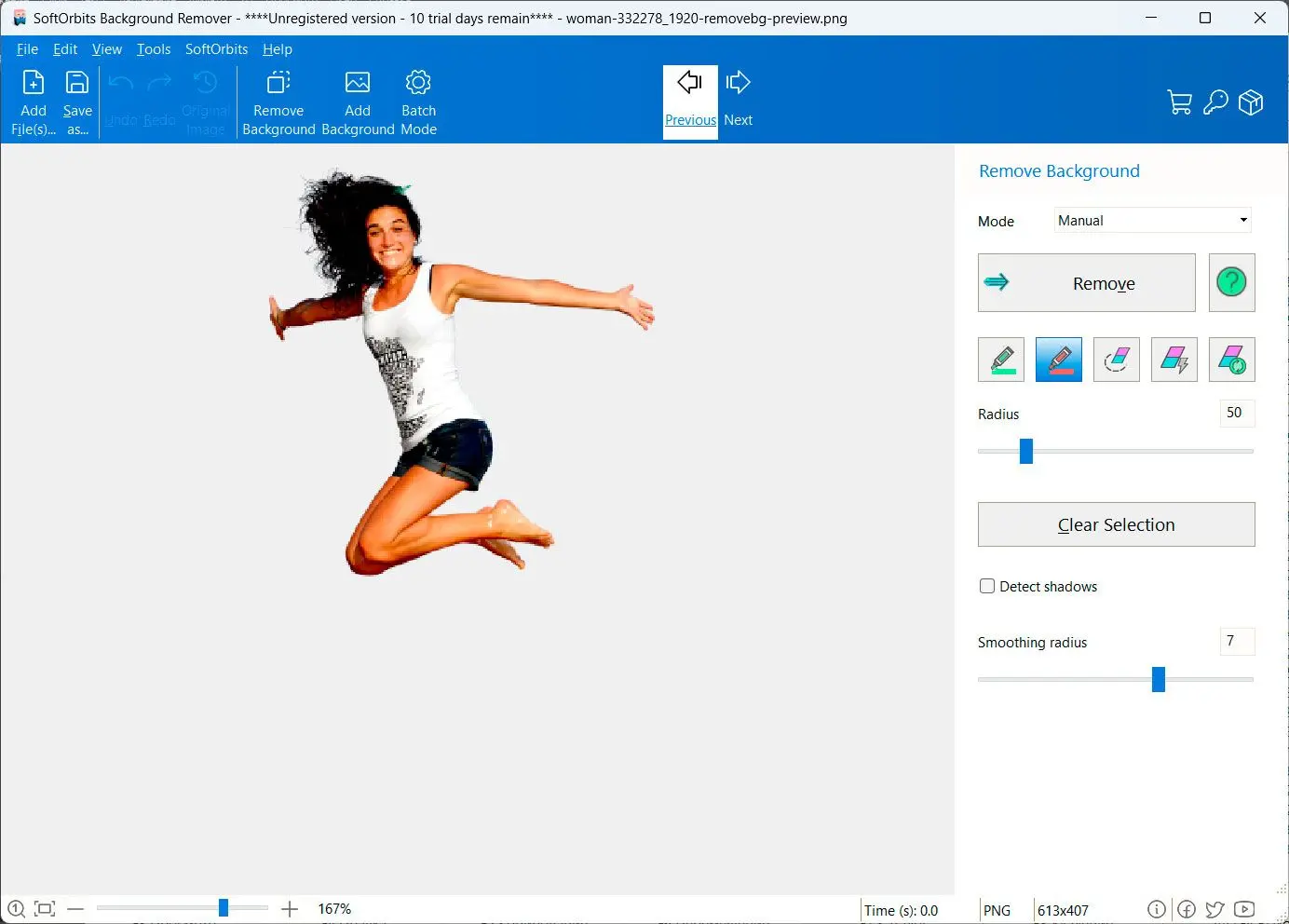
Use the software's intuitive tools to select the area you want to keep and remove the background. You can choose between automatic and manual removal modes.

Our advanced AI algorithms accurately detect and remove even the most complex backgrounds, ensuring precise results. For those who prefer a more hands-on approach, our manual editing tools provide pixel-perfect control over the removal process.
Create stunning product images, design eye-catching social media graphics, or enhance your personal photos. Our tool empowers you to bring your creative vision to life.
Fast and efficient batch processing capabilities allow you to quickly remove backgrounds from multiple images at once, saving you valuable time.
Once I installed sotware on your PC, I open it by double-clicking on the program icon.
To remove the background from your photo, import it into the software by clicking on the Open File button in the top left corner of the screen.
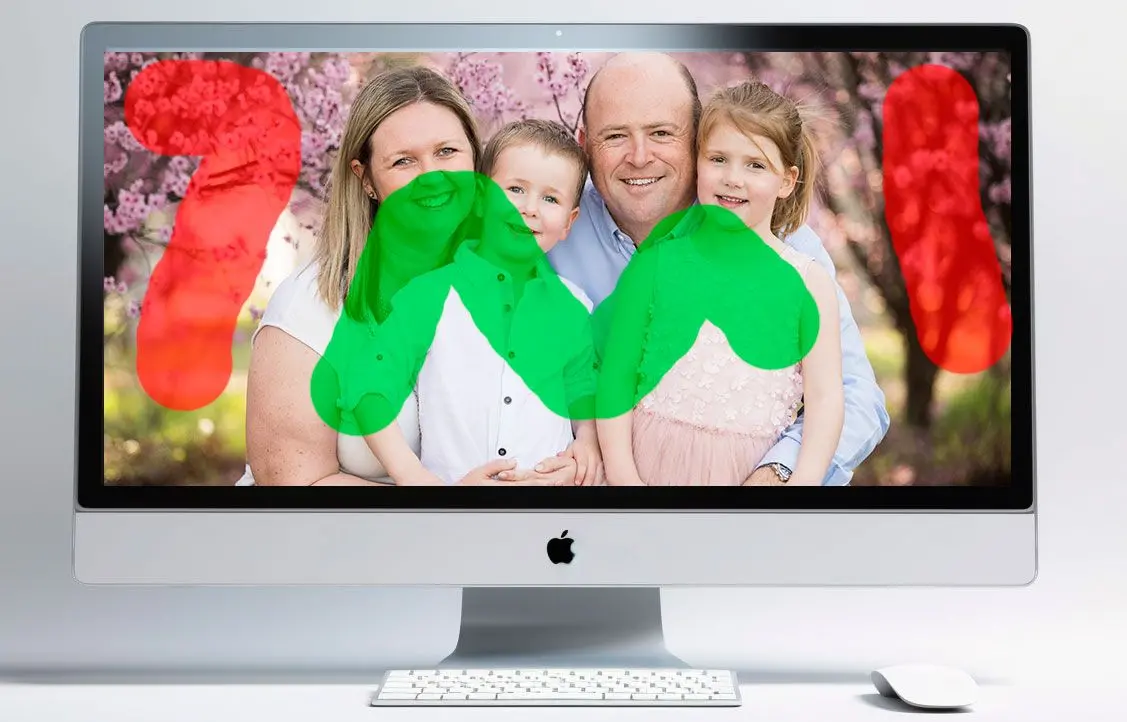
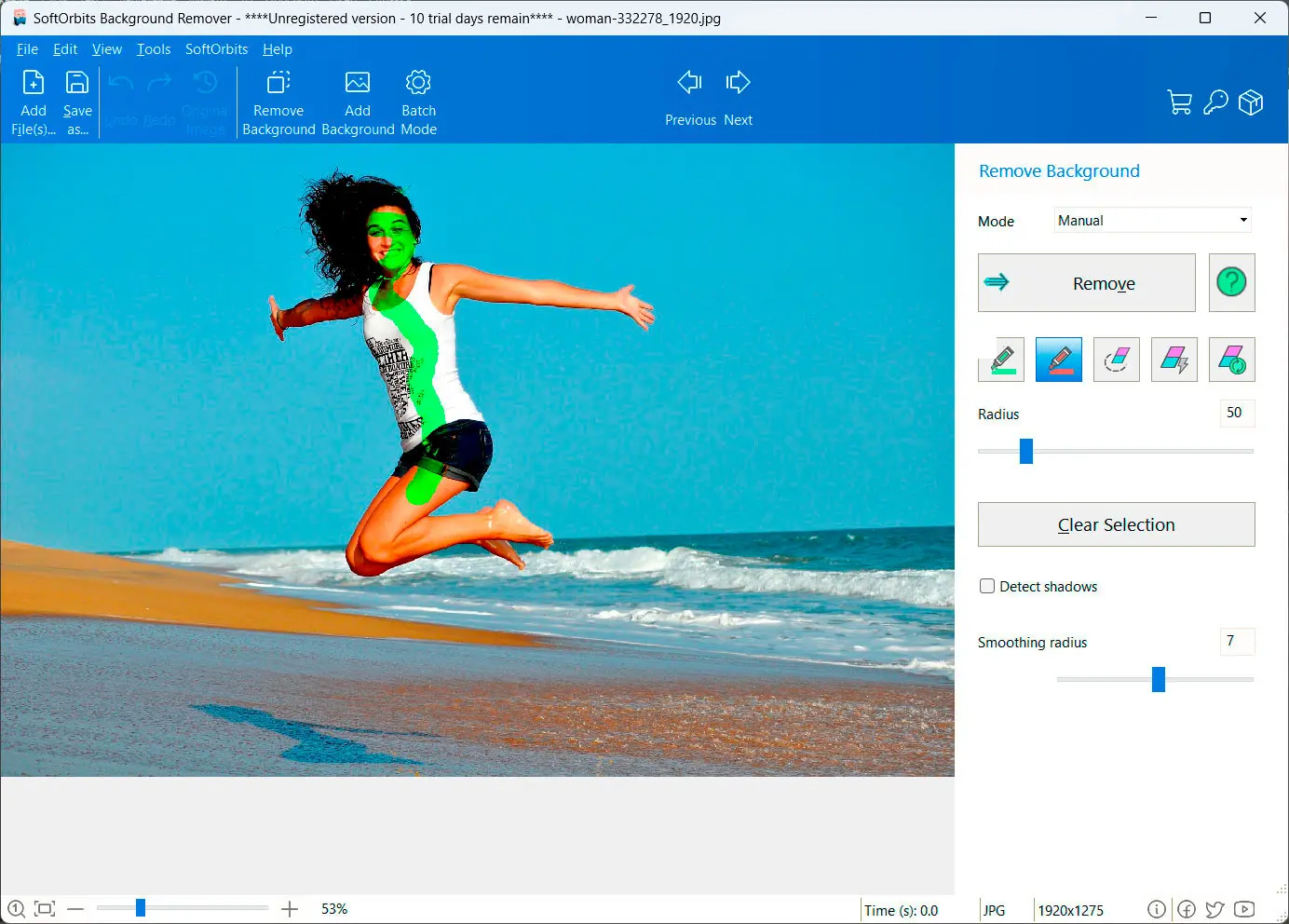
Do NOT require in most cases. AI will do this job for you. Using the green marker tool, carefully mark the object in the photo that you wish to keep. The software will automatically select the background to be removed.
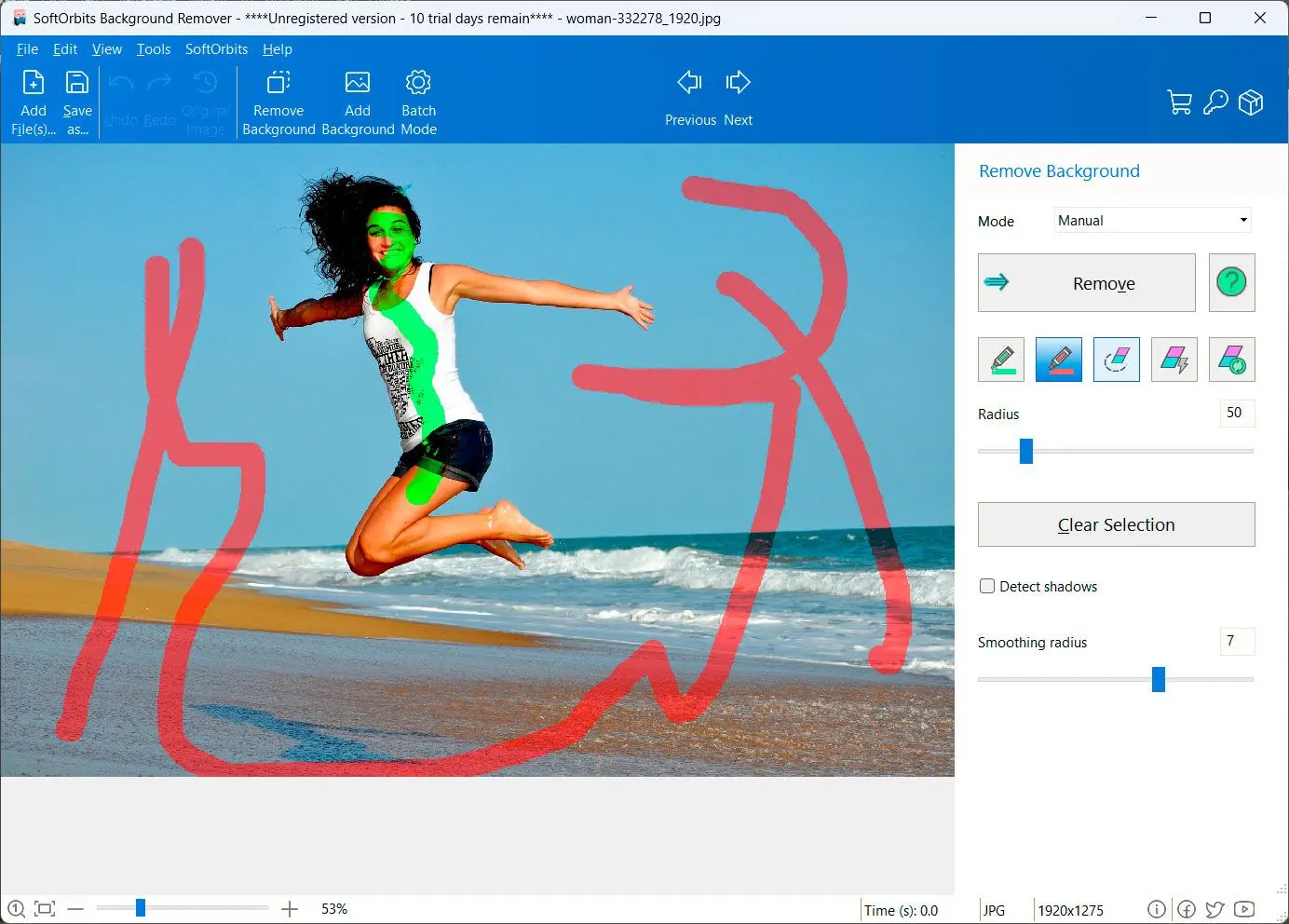
Do NOT require in most cases. Adjust the selection by using the red marker tool to mark any areas that were not correctly selected or that you want to exclude.
5/5 ⭐⭐⭐⭐⭐
5/5 ⭐⭐⭐⭐⭐
5/5 ⭐⭐⭐⭐⭐
5/5 ⭐⭐⭐⭐⭐
In an era of lossless FLAC files, spatial audio, and high-fidelity streaming, the phrase feels like a relic from a forgotten digital age. It’s a technical specification that evokes memories of LimeWire, dial-up connections, and the desperate struggle to fit an entire discography onto a 128MB flash drive.
For many of us, our first relationship with digital music was "crunchy." We didn't hear our favorite albums in 24-bit studio quality; we heard them through cheap plastic earbuds, encoded at the lowest possible bitrate to save time on a 56k modem. 48kbps mp3(1.17 MB)
Surprisingly, the 48kbps sound is making a comeback in underground electronic circles and "vaporwave" subgenres. Producers are intentionally downsampling their tracks to achieve that "underwater" feel. It’s a rebellion against the clinical, over-polished sound of modern production. By embracing the 1.17 MB limit, artists find a way to make music feel lived-in, aged, and human. The Verdict In an era of lossless FLAC files, spatial
The Beauty of the Low-Bitrate Aesthetic: 48kbps MP3 (1.17 MB) Surprisingly, the 48kbps sound is making a comeback
The isn't just a low-quality audio file. It is a time capsule. It reminds us that music isn't always about the frequency response or the dynamic range—it's about the connection. Sometimes, that connection is strongest when it’s a little bit broken, a little bit muffled, and small enough to fit into the tiniest corner of our digital lives.
That 1.17 MB file size represents a time of discovery. It’s the sound of a leaked demo, a ripped radio broadcast, or a podcast from 2005. It carries the weight of a digital frontier where we valued access over accuracy . 4. The Modern Renaissance
Let me know in the comments!